
NDT Inspection Methods for Forged Alloy Steel Flanges
A buyer-focused guide to non-destructive testing methods for forged alloy steel flanges.
What Should an EN 10204 3.1 Material Certificate Include?
A buyer’s checklist for reviewing EN 10204 3.1 certificates supplied with alloy steel flanges.
Why PMI Testing Is Important for Alloy Steel Flanges
How positive material identification reduces alloy mix-up risk in F11, F22 and F91 flange supply.
ASME B16.5 vs ASME B16.47 Flanges
A clear comparison of ASME B16.5 and ASME B16.47 flange scope, dimensions and procurement.
ASME B16.5 Alloy Steel Flange Dimensions and Pressure Classes
A procurement guide to ASME B16.5 dimensions, classes, facings and bore requirements for alloy steel flanges.
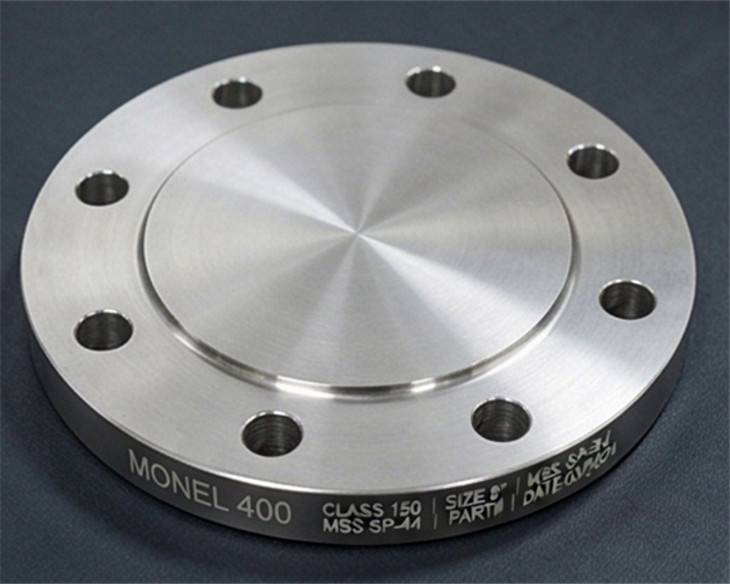
Understanding Pressure–Temperature Ratings for Alloy Steel Flanges
How to read and apply pressure–temperature ratings for ASTM A182 alloy steel flanges.
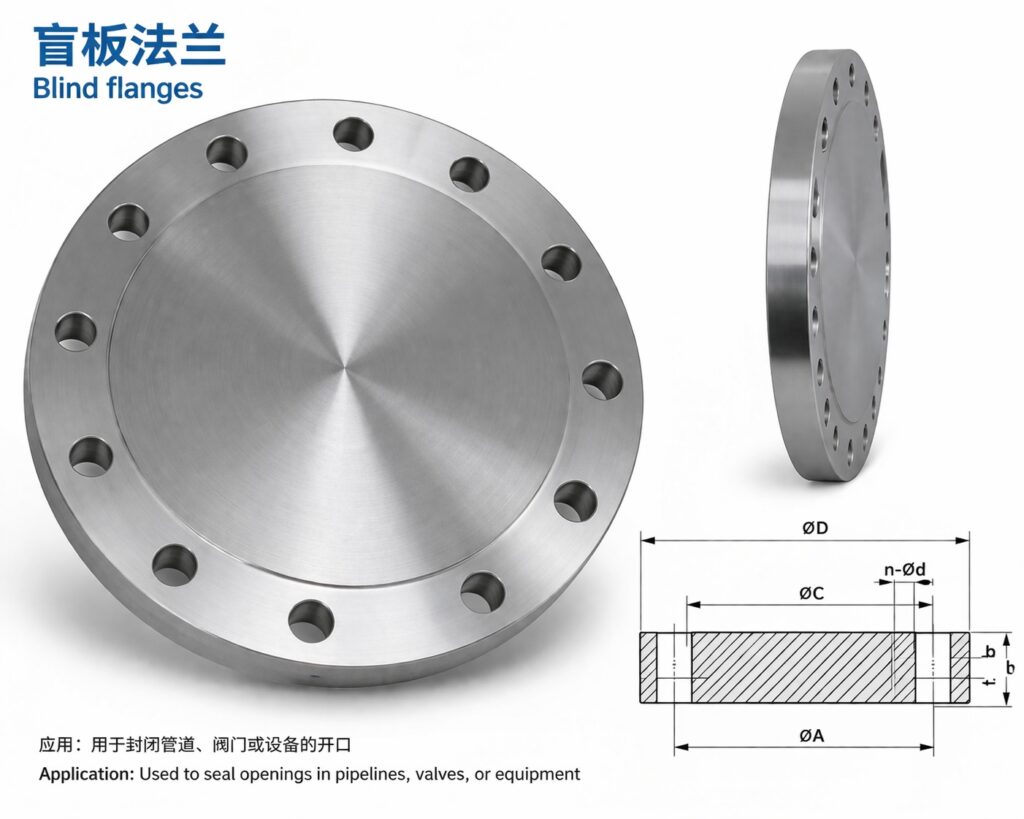
How to Select Class 150, 300, 600, 900 or 1500 Flanges
A step-by-step method for selecting ASME flange pressure class without treating Class as a fixed psi rating.
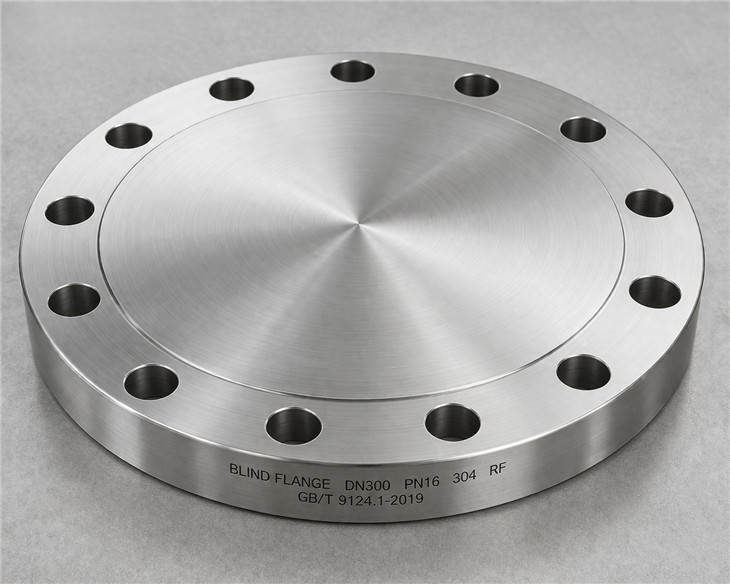
RF vs RTJ Flanges for High-Pressure Applications
A practical comparison of raised face and ring-type joint flanges for high-pressure piping.
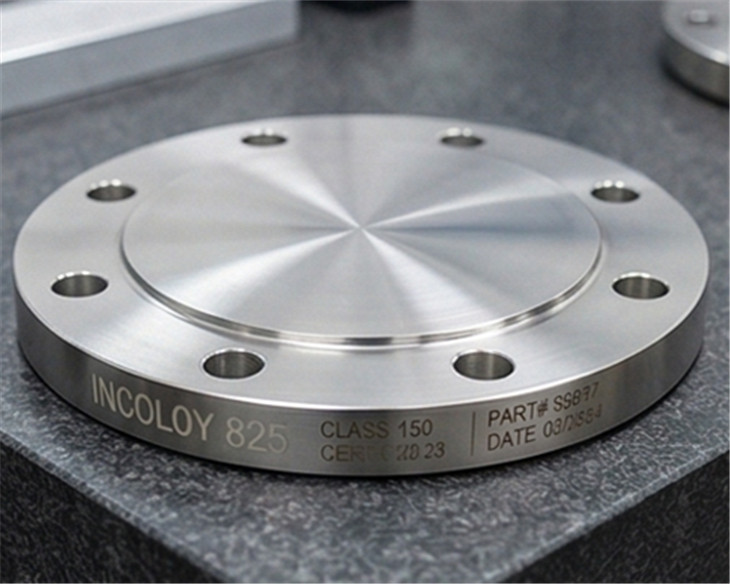
Weld Neck vs Slip-On Flanges: Which Is Better for High Pressure?
An engineering comparison of weld neck and slip-on flanges for high-pressure and cyclic piping systems.
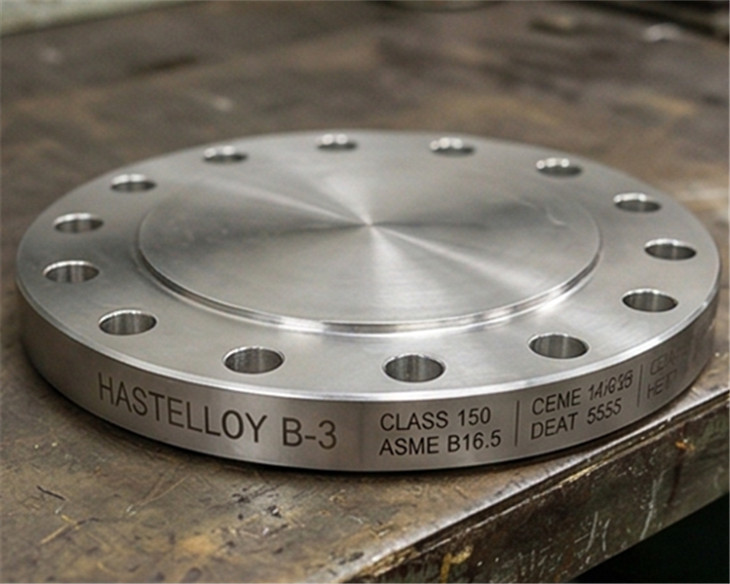
Alloy Steel vs Carbon Steel Flanges for High-Pressure Service
How engineers compare carbon steel and alloy steel flanges for demanding pressure-piping service.