
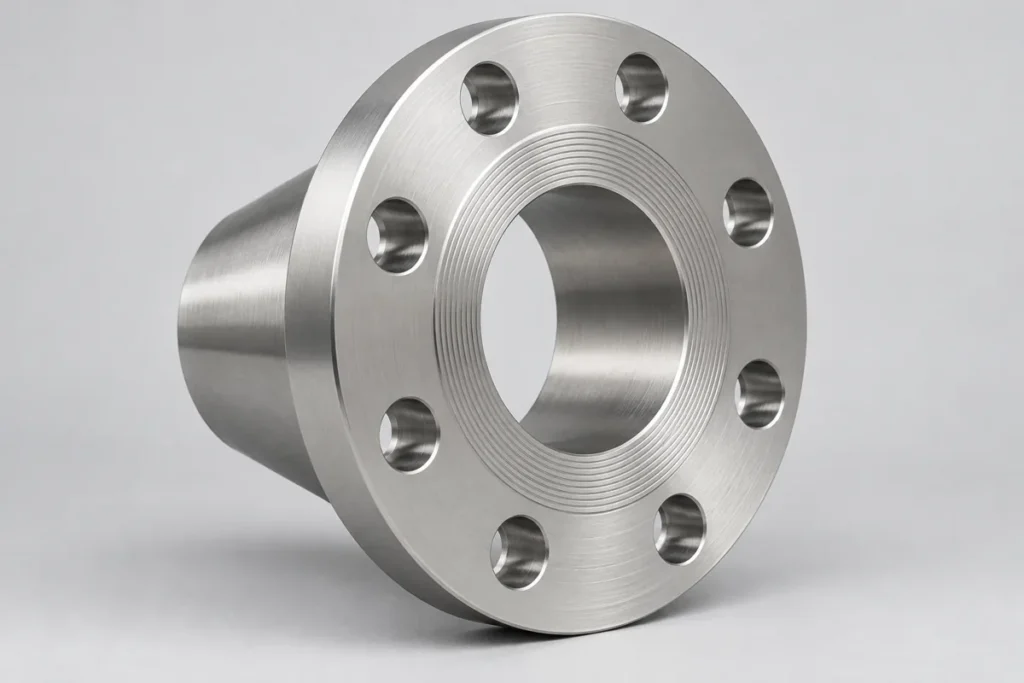
C-2000 vs C22 Flanges: Material Selection and RFQ Checks
Compare C-2000 and C22 flange material identities, service conditions, forging specifications and RFQ checks before approving a nickel-alloy substitution.
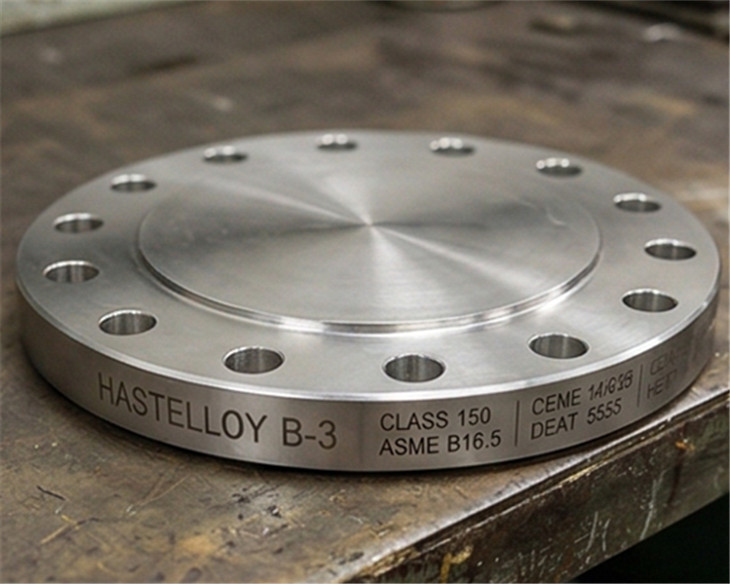
Why Heat Treatment Matters for ASTM A182 Alloy Steel Flanges
Why correct heat treatment is essential for F11, F22 and F91 alloy steel flange performance.
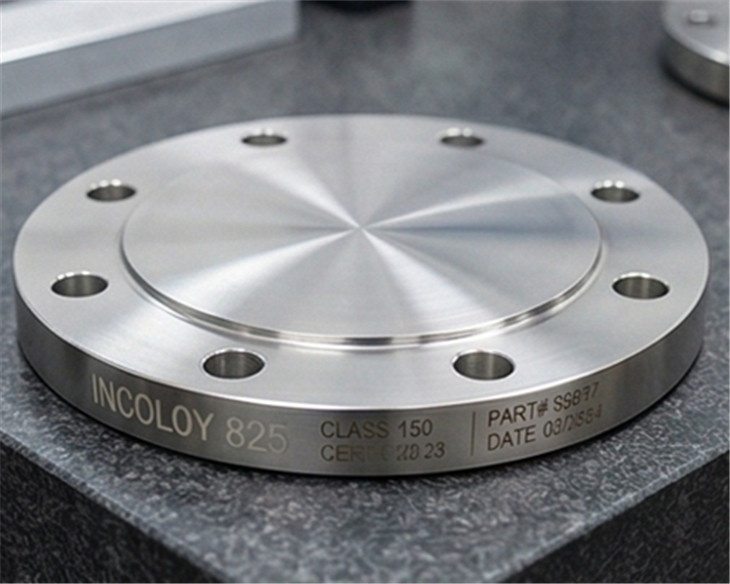
Where Are ASTM A182 F22 Flanges Commonly Used?
Common F22 flange applications and the engineering controls required for reliable chrome-moly piping joints.
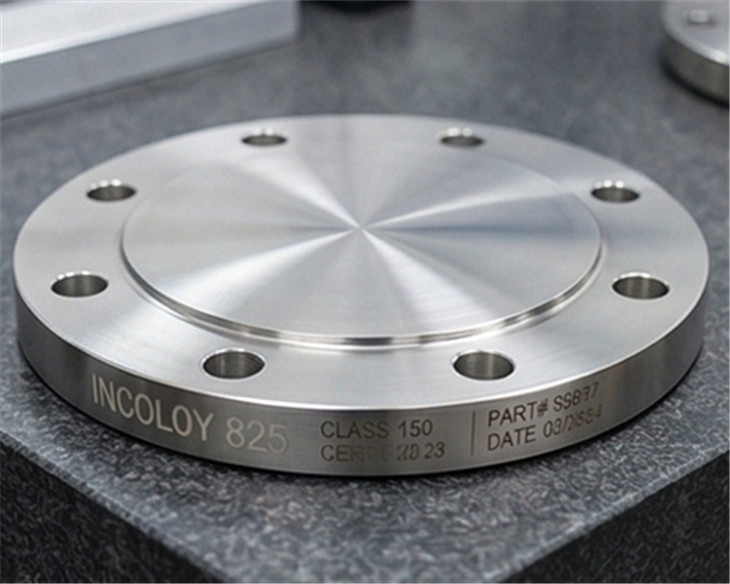
ASTM A182 F91 Flanges for High-Temperature Piping Systems
A code-based explanation of F91 flange temperature capability for Grade 91 high-temperature piping systems.
Alloy Steel vs Carbon Steel Flanges for High-Pressure Service
How engineers compare carbon steel and alloy steel flanges for demanding pressure-piping service.
Weld Neck vs Slip-On Flanges: Which Is Better for High Pressure?
An engineering comparison of weld neck and slip-on flanges for high-pressure and cyclic piping systems.
How to Select Class 150, 300, 600, 900 or 1500 Flanges
A step-by-step method for selecting ASME flange pressure class without treating Class as a fixed psi rating.
Understanding Pressure–Temperature Ratings for Alloy Steel Flanges
How to read and apply pressure–temperature ratings for ASTM A182 alloy steel flanges.
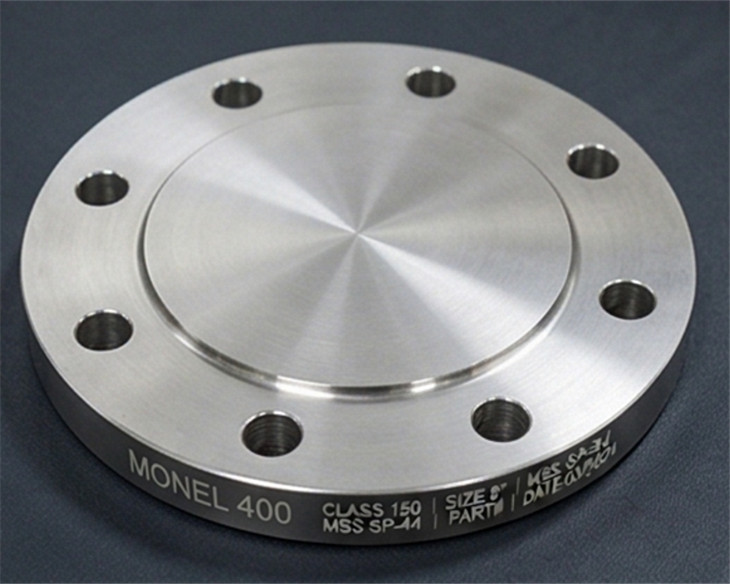
ASME B16.5 Alloy Steel Flange Dimensions and Pressure Classes
A procurement guide to ASME B16.5 dimensions, classes, facings and bore requirements for alloy steel flanges.
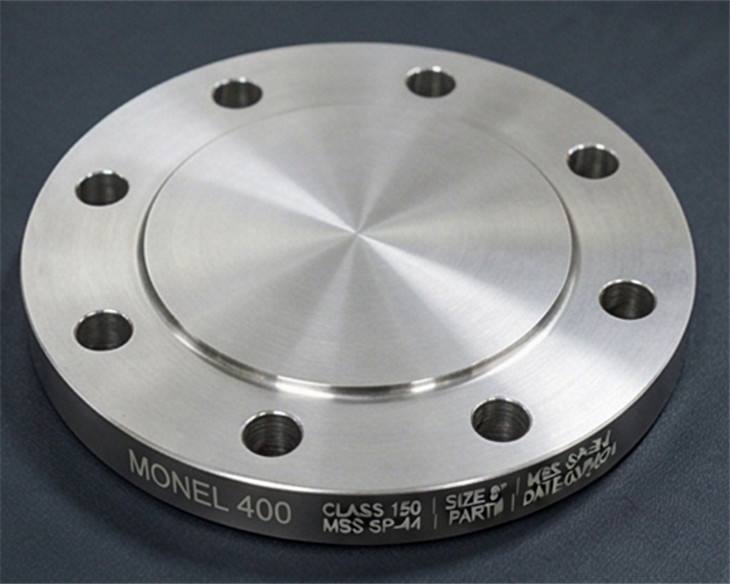
Why PMI Testing Is Important for Alloy Steel Flanges
How positive material identification reduces alloy mix-up risk in F11, F22 and F91 flange supply.