
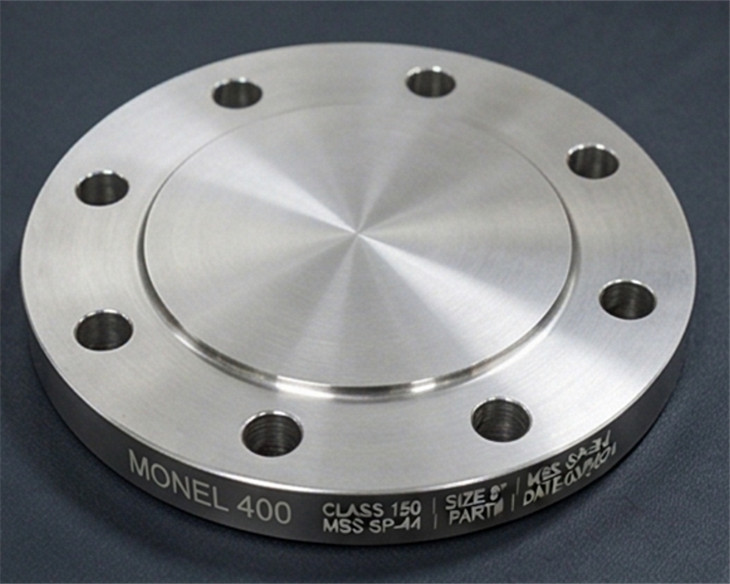
A105 vs A182 Flanges
Quick Answer
ASTM A105 is a carbon-steel forging specification for pressure-system piping components. ASTM A182 covers a family of low-alloy and stainless grades for pressure service, including F11, F22, F91, F304L and F316L. Therefore, a useful comparison is A105 versus a specific A182 grade, not A105 versus “A182” as though A182 were one material.
Relevant carbon-steel flange route; confirm the exact material specification and grade in the RFQ.
Key takeaways
- A105 is a carbon-steel specification; A182 contains many alloy and stainless grades.
- The material specification and the flange dimensional standard perform different jobs.
- Substitution requires temperature, corrosion, welding, bolting and line-class review.
Material scope: one carbon grade versus a grade family
ASTM A105/A105M covers forged carbon-steel components for ambient and higher-temperature pressure systems. ASTM A182/A182M covers forged low-alloy and stainless piping components. The A182 grade suffix is essential because F22 and F316L, for example, solve very different engineering problems.
| Decision point | ASTM A105 | ASTM A182 |
|---|---|---|
| Material family | Carbon steel | Multiple low-alloy and stainless grades |
| Complete order designation | A105/A105M | A182/A182M plus exact grade and condition |
| Common selection driver | General pressure piping and economy | Temperature, corrosion or grade-specific properties |
| Dimensional standard | Specified separately, commonly ASME B16.5 or ASME B16.47 as applicable | |
When A105 is commonly selected
A105 is widely used in carbon-steel process, utility, oil-and-gas and steam piping where the design code and material class permit it. Its economic advantage is meaningful when the service does not require the elevated-temperature performance of chrome-moly steel or the corrosion resistance of stainless steel.
That does not make A105 universal. Low-temperature toughness, sour-service restrictions, high-temperature strength, external corrosion and process-side corrosion still need review. A coating may protect an exterior surface, but it does not change the base metal into a corrosion-resistant alloy.
When an A182 grade is the better fit
Low-alloy A182 grades such as F11, F22 and F91 are selected within engineered high-temperature systems. Austenitic stainless grades such as F304L and F316L may be selected for corrosion resistance, cleanliness or low-temperature behavior. Duplex and other grades address additional combinations of strength and corrosion performance.
The designer should compare allowable stress at temperature, oxidation and corrosion mechanisms, thermal expansion, weldability, heat-treatment needs and compatibility with the adjoining pipe. Choosing an A182 grade only because its room-temperature tensile strength is higher is not an adequate basis.
How to write an unambiguous flange order
Separate the material requirement from the dimensional requirement. “4-inch Class 300 A182 flange” omits the grade, type, facing and bore. A reviewable description would state the ASTM grade, ASME standard, NPS, class, flange type, facing and pipe schedule, followed by testing and documentation requirements.
- Material specification, exact grade and edition
- ASME standard, NPS, class, type and facing
- Bore or weld end matched to the pipe schedule
- Heat treatment, impact testing and hardness limits where applicable
- PMI, NDE, coating and marking requirements
- EN 10204 3.1 or other required inspection document
A105 versus A182: make the grade decision explicit
| Material route | Typical decision driver | RFQ wording to control |
|---|---|---|
| ASTM A105 | Carbon-steel forging route for pressure components within the project temperature and service limits | A105/A105M edition, flange standard, type, class, facing, bore and supplementary requirements |
| ASTM A182 F11/F22/F91 | Low-alloy system requiring grade-specific temperature, welding and heat-treatment review | Exact grade/class, matching pipe material, PWHT, hardness, PMI and NDE scope |
| ASTM A182 stainless grades | Corrosion, cleanliness or temperature requirements addressed by the selected stainless grade | Exact grade, corrosion/service data and any intergranular or supplementary testing |
Do not write only “A182 flange.” A182 is a specification family; the grade is part of the purchase description.
Frequently asked questions
Is ASTM A182 stronger than ASTM A105?
That is too broad a comparison because A182 includes many grades. Compare the exact grade, heat treatment, section size and allowable stress at the design temperature.
Can an A105 flange connect to an A182 flange?
Only when the piping design approves the ratings, thermal behavior, corrosion effects, gasket, bolting and any welding requirements.
Does ASME B16.5 define A105 or A182 chemistry?
No. ASME B16.5 addresses flange dimensions and pressure-temperature rating rules; the ASTM material specification defines chemistry and material properties.
Primary standards referenced
- ASTM A105/A105M-26 – Carbon Steel Forgings for Piping Applications
- ASTM A182/A182M – Forged or Rolled Alloy and Stainless Steel Piping Components
- ASME B16.5-2025 – Pipe Flanges and Flanged Fittings, NPS 1/2 Through NPS 24
Standards were checked against publisher pages on 3 August 2026. Always purchase and apply the edition specified by the project.
Request an alloy steel flange quotation
Send the material grade, standard, NPS, pressure class, flange type, facing, pipe schedule, quantity and inspection requirements. Our team will review the technical description before quotation.