Description
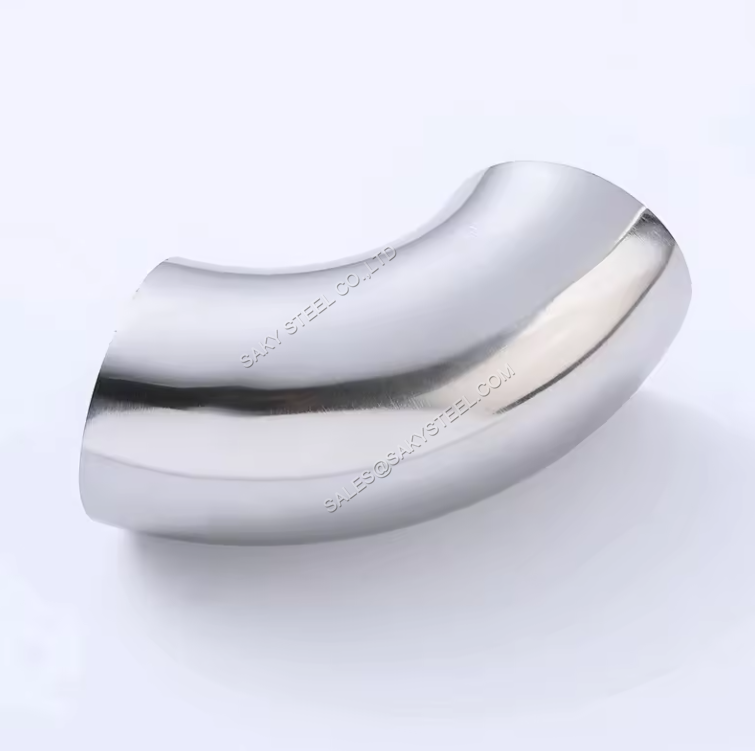
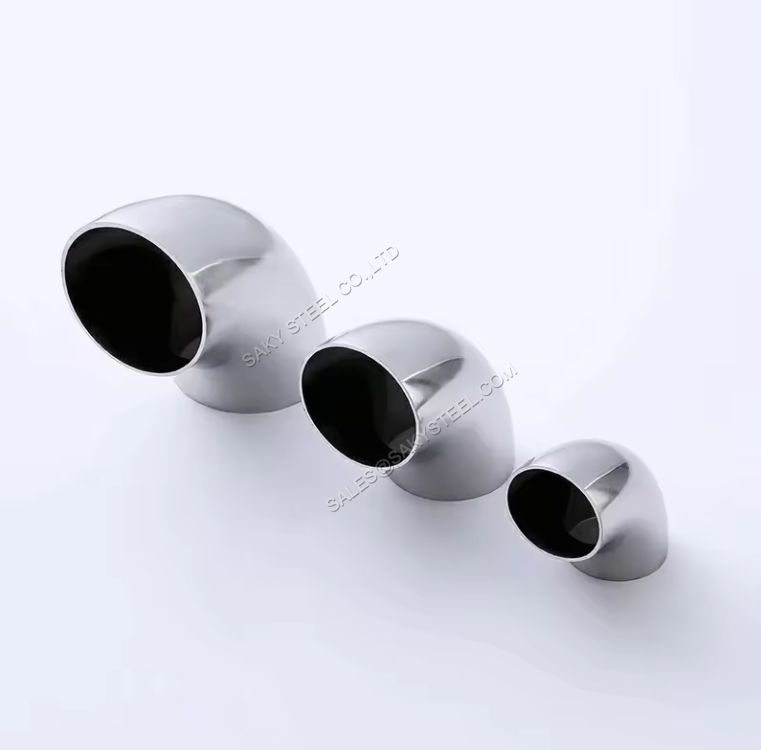
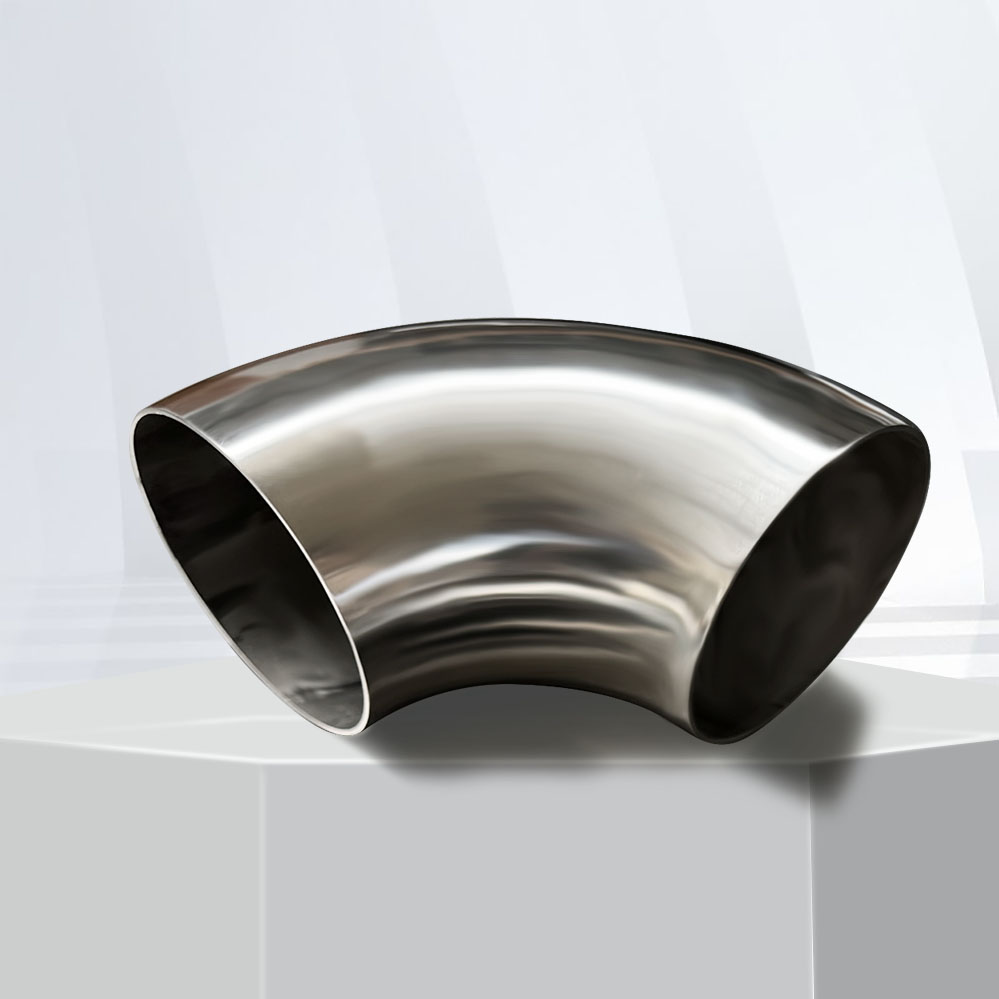
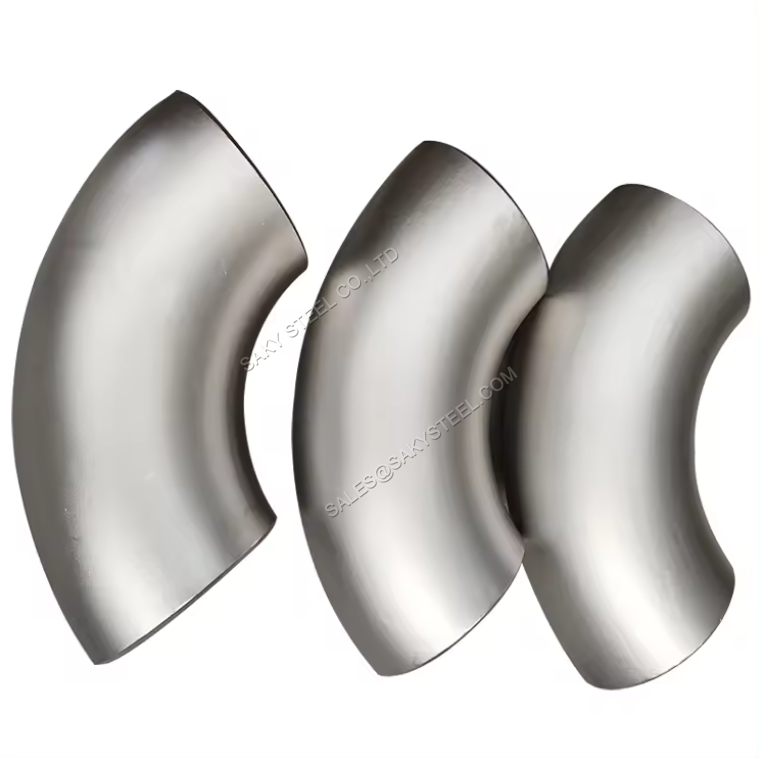
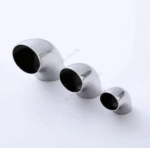
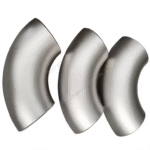
Factory-Direct 90 Degree Butt Weld Elbows
Supply is arranged around the customer’s piping specification. Each quotation is checked against the requested radius, size, wall thickness, material grade, end preparation, quantity and inspection-document scope.
Product and ordering specification
| Product type | 90 degree butt weld elbow for changing pipeline direction through a welded joint. |
|---|---|
| Radius options | Long radius (LR) and short radius (SR), subject to the selected standard, size, wall thickness and material. |
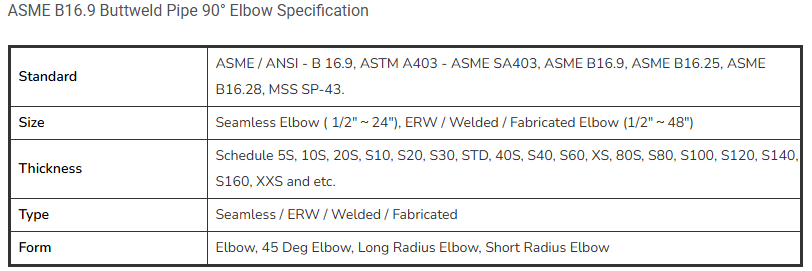
| Dimensional basis | ASME B16.9 is commonly specified for factory-made wrought butt-welding fittings. Drawing-based, EN, DIN, JIS and other agreed requirements can also be reviewed. |
| Size range | Common market NPS and DN sizes can be supplied. Confirm the exact range against the requested material, wall thickness, manufacturing route and standard. |
| Wall thickness | State pipe schedule, nominal wall thickness or actual OD × wall. Do not select a fitting from nominal pipe size alone. |
| End preparation | Butt-welding ends are prepared to the ordered standard or approved drawing. State special bevel, land, bore-match or transition requirements. |
| Construction | Seamless or welded construction may be available depending on size, material specification and order requirements. |
| Documentation | Material certificates, dimensional reports, PMI, NDE and third-party inspection are included only when specified and confirmed in the quotation. |
Long radius or short radius?
Long-radius elbow
For a standard 90 degree LR elbow, the centerline radius is commonly 1.5 times the nominal pipe size under the ASME B16.9 convention. The wider turn generally provides a more gradual flow change and is frequently selected where layout space permits.
Short-radius elbow
For a standard 90 degree SR elbow, the centerline radius is commonly equal to the nominal pipe size. It can reduce layout space, but the piping designer must consider flow disturbance, pressure loss, erosion risk and project restrictions.
Radius alone does not determine suitability. Confirm line velocity, solids content, corrosion allowance, pigging or cleaning requirements, vibration, cyclic loading and available installation space. When the project requires a specific center-to-end dimension, provide the value or approved drawing rather than relying only on the LR or SR abbreviation.
Common material specifications
| Carbon and alloy steel | ASTM A234 grades such as WPB and project-specified alloy-steel grades, subject to service and heat-treatment requirements. |
|---|---|
| Austenitic stainless steel | ASTM A403 grades commonly include WP304/304L, WP316/316L and other order-specified austenitic grades. |
| Duplex stainless steel | ASTM A815 grades may include duplex and super-duplex options such as UNS S31803/S32205 and UNS S32750, when specified. |
| Nickel alloys | ASTM B366 nickel and nickel-alloy fittings can be reviewed by exact UNS grade, material condition and project specification. |
| Titanium alloys | ASTM B363 titanium and titanium-alloy fittings can be supplied for the confirmed grade, dimensions and acceptance requirements. |
Material names are not interchangeable with product specifications. Include the full material standard, grade or UNS number and any supplementary requirements. If substitution is proposed, obtain project approval before ordering.
Inspection and acceptance options
Material traceability
Specify the required material certificate, heat-number traceability and marking. Certificate scope is agreed before order placement.
Dimensional inspection
Checks can cover outside diameter, wall thickness, center-to-end dimension, ovality, end preparation and other drawing requirements.
Additional testing
PMI, hardness, mechanical tests, NDE or third-party inspection can be quoted when the method, extent and acceptance criteria are stated.
Surface and marking
State pickling, passivation, blasting, coating, protection and marking requirements appropriate to the material and project.
Applications and purchasing considerations
90 degree elbows are used in process piping, chemical and petrochemical systems, water treatment, power and utility lines, marine-related systems, food and beverage equipment and other industrial installations. The applicable piping code and project specification determine the final design and acceptance requirements.
For corrosive or high-temperature service, evaluate the complete service envelope: fluid composition, concentration, normal and upset temperature, pressure, velocity, contaminants, cleaning chemicals and corrosion allowance. A higher alloy designation does not by itself confirm suitability.
Common market and export packaging options can be provided according to material, size, quantity and transport method. Lead time is discussed for each order; the fastest schedule may be 7 working days after technical and commercial confirmation, subject to raw material, forming or welding route, heat treatment, testing, documentation and quantity.
RFQ checklist
- 90 degree LR or SR elbow, including any required center-to-end dimension
- Dimensional standard and edition, or approved drawing
- NPS/DN, outside diameter and schedule or wall thickness
- Material specification, grade/UNS and heat-treatment condition
- Seamless or welded construction requirement, if controlled
- End bevel, bore matching and dimensional tolerances
- Quantity, marking, surface treatment and packaging
- Certificate, inspection, testing and third-party requirements
- Delivery destination and requested date
Frequently asked questions
Is a 90 degree elbow always a butt weld fitting?
No. Elbows also exist with socket-weld, threaded, flanged and other ends. This page covers butt-welding elbows; state the required connection type in the RFQ.
Can an LR elbow replace an SR elbow?
Not automatically. Their centerline radius and center-to-end dimensions differ. Check layout, flow, loads and the approved piping specification before substitution.
Does Schedule 40 mean the same wall thickness in every size?
No. Schedule is a standardized wall designation whose actual thickness depends on nominal pipe size. Include both size and schedule, or OD and wall thickness.
Are inspection documents automatically included?
Only the documents confirmed in the quotation and purchase order are included. State the required certificate type, tests, reporting and third-party scope before ordering.
Request a 90 Degree Elbow Quotation
Send the radius, standard, size, wall thickness, material grade, quantity and inspection-document requirements. Our team will review the specification and confirm the supply plan.